Shoreditch Park Bulky Rubbish Pickup Tips for Hoxton Homes
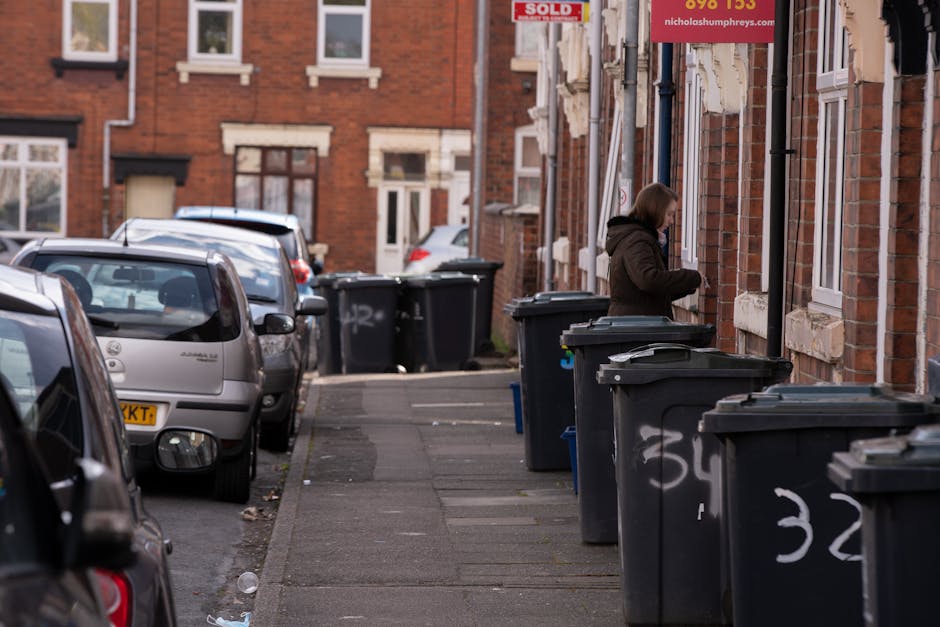
If you live in Hoxton, bulky rubbish has a way of becoming urgent at the worst possible moment. One broken wardrobe, a sofa that will not fit down the stairs, or a fridge that has finally given up can turn a normal week into a bit of a faff. These Shoreditch Park bulky rubbish pickup tips for Hoxton homes are here to make that job simpler, safer, and less stressful.
This guide walks you through the practical side of bulky waste removal in a busy inner-London setting: what counts as bulky rubbish, how pickup usually works, what to do before collection day, and where people often go wrong. You will also find a clear comparison of disposal methods, a real-world example, and a checklist you can use straight away. No nonsense, just useful advice.
Key takeaway: the smoother the sorting and access plan, the easier the pickup. In Hoxton, that matters even more because tight stairwells, shared entrances, and limited roadside space can slow everything down if you are not prepared.
- Why this matters in Hoxton
- How bulky rubbish pickup works
- Benefits and practical advantages
- Who needs this service
- Step-by-step guidance
- Expert tips
- Common mistakes to avoid
- Tools, resources and recommendations
- Law, compliance and best practice
- Options and comparison table
- Real-world example
- Practical checklist
- Conclusion
- Frequently asked questions
Why Shoreditch Park Bulky Rubbish Pickup Tips for Hoxton Homes Matters
Bulky waste is not just a storage problem. It gets in the way, blocks hallways, gathers dust, and sometimes creates a genuine safety risk. In a Hoxton flat, a single oversized item can squeeze a narrow landing, make fire escape routes awkward, or leave you stepping around clutter for days. Let's face it, that gets old fast.
Shoreditch Park and the surrounding Hoxton streets sit in an area where many homes are compact, multi-storey, or part of converted buildings. That means the usual "just move it outside" advice often falls apart in real life. You need a plan that fits the property, the item, and the access. Not glamorous, but it works.
It also matters because bulky rubbish is rarely one category. A sofa may be going at the same time as a broken desk, a mattress, an old freezer, and a pile of flat-packed boxes. Each item may need a different handling approach. If you separate them properly, you save time and reduce the chance of refusals or extra charges.
If the clear-out is bigger than one or two items, many people look at broader options such as home clearance or more specific help like furniture disposal. That is often more practical than trying to wrestle everything out piece by piece on your own.
How Shoreditch Park Bulky Rubbish Pickup Tips for Hoxton Homes Works
In simple terms, bulky rubbish pickup means collecting items too large for normal household bins. Think sofas, armchairs, wardrobes, mattresses, beds, tables, white goods, exercise equipment, garage clutter, and sometimes renovation offcuts. The exact service can vary, but the process usually follows the same pattern.
- Identify the items. Make a list and check whether any of them are hazardous, electrical, or awkwardly heavy.
- Measure access. Note stair widths, lift size, parking access, and any hallway bends. This sounds boring. It is not boring when a sofa gets stuck halfway down a stairwell.
- Separate the load. Put reusable, recyclable, and general bulky items into sensible groups.
- Choose the disposal route. Depending on volume and item type, this may be a one-off pickup, a larger waste removal job, or a specialist service such as fridge and appliance removal.
- Prepare the items. Remove loose contents, tape doors if needed, and clear a route from the room to the exit.
- Arrange collection. Book a time that works with building access, neighbour noise, and your own schedule.
For Hoxton homes, the "how" matters almost as much as the "what". A quick pickup can become a slow one if the crew has to wait for lift access, carry items through a busy shared entrance, or deal with surprise obstructions in the street. A little planning prevents that mess.
Where you are dealing with mixed household waste, a broader waste removal service may be the better fit. If the job is more like a full flat reset, then flat clearance can be a more efficient approach.
Key Benefits and Practical Advantages
Good bulky rubbish planning is not just about convenience. It can save effort, reduce risk, and make the day feel manageable rather than chaotic. That last bit is underrated.
- Less lifting stress: You avoid last-minute heavy carrying, which is where most accidents happen.
- Cleaner shared spaces: In flats and converted houses, good preparation reduces scuffs, dirt, and awkward neighbour encounters.
- Faster collection: If items are staged clearly, the pickup tends to run smoother.
- Better sorting: Recyclable items, reusable furniture, and electrical goods are easier to handle when separated from the start.
- Fewer surprises: A clear inventory helps avoid "oh, we forgot that" moments on collection day.
There is also a psychological benefit. Clearing bulky items often makes a room feel bigger before anything else changes. You know that moment when a tired old armchair disappears and suddenly the corner breathes again? Small win, but a real one.
For items that still have life in them, it can be worth comparing furniture clearance with direct reuse or separate disposal. For example, one solid dining table may be worth treating differently from a battered sofa with a broken frame.
Who This Is For and When It Makes Sense
This guide is useful for renters, homeowners, landlords, letting agents, and anyone managing a property in or around Hoxton. It is especially helpful if your building has stairs, a shared entrance, limited pavement space, or awkward delivery furniture that now needs to leave.
Typical situations include:
- moving out of a flat and needing a final clear-out
- replacing old furniture in a compact home
- clearing a loft, garage, or spare room
- dealing with a broken appliance that cannot wait
- preparing a rental property for new tenants
- sorting post-renovation waste after decorating or small building work
Sometimes the decision is straightforward. Other times it is a judgement call. If you only have one bulky item, a targeted service may be enough. If you are staring at a stack of mixed items in the hallway, a fuller clearance may make more sense. To be fair, the bigger the pile, the less sense it makes to improvise.
For more specialised situations, there are dedicated options such as mattress and sofa disposal, garage clearance, or loft clearance. Choosing the right type of service can be the difference between a quick job and a very long afternoon.
Step-by-Step Guidance
If you want the pickup to go smoothly, do the job in order. A rushed clear-out almost always creates clutter in the wrong place. Here is the simple version.
1. Walk the property first
Look at every item you want removed and note whether it is heavy, sharp, damp, broken, or awkwardly shaped. Check door widths, corridor bends, and any tight corners. A quick look now saves a lot of grunting later.
2. Group items by type
Put furniture together, electricals together, and general bulky waste together. This helps you decide whether some items need specialist handling. For example, a freezer is not the same as a chest of drawers, even if both are annoying to move.
3. Empty and prepare the items
Remove loose contents from drawers, shelves, and cupboards. Tie down loose doors if they swing open. If the item can be broken down safely, do that. But do not start dismantling something if you are not sure how it goes back together or whether it needs specialist tools.
4. Make the route safe
Clear shoes, mats, ornaments, plant pots, and anything else that could trip someone. In narrow Hoxton hallways, even a small obstacle can cause a full stop. One tiny basket by the door, and suddenly everyone is side-stepping like they are in a dance rehearsal.
5. Decide where items will be placed
If you are leaving items on a ground-floor landing, outside a door, or in a shared area before collection, make sure this is allowed and will not block access. If in doubt, keep items inside until the collection window begins.
6. Check for restricted items
Some things need special handling. This may include paint, chemicals, solvents, gas canisters, sharp sharps, or anything potentially hazardous. If you are unsure, ask before collection. A cautious question is cheaper than a mistake.
7. Confirm booking details
Double-check the date, time, access instructions, parking notes, and item list. If the pickup crew needs to ring a buzzer, be ready. If the service expects items outside by a certain time, do that. The smoother the handover, the easier the day.
Expert Tips for Better Results
Here are the small things that make a surprising difference. They are not flashy, but they save trouble.
- Take photos before booking. A quick picture helps you remember the item mix and spot access problems early.
- Measure large items. Sofas, wardrobes, and mattress bases are the usual troublemakers. Measure once and spare yourself the drama.
- Keep wet items separate. Damp cardboard, mouldy wood, and waterlogged textiles can complicate handling.
- Put screws and fittings in a bag. If you have dismantled furniture, keep the fixings together. It is oddly satisfying and very practical.
- Leave a clear path from the item to the exit. You want a straight, calm route, not a weave through clutter.
- Think about neighbours. A little notice can help if you are using communal access or expecting noisy moving activity.
- Ask about recycling priorities. Some services separate reusable or recyclable material as part of their process, which is worth asking about if sustainability matters to you.
There is also a practical link between bulky pickup and sustainability. If your load includes items that could be repaired, reused, or separated for recycling, it is worth looking at the provider's approach to recycling and sustainability. Not every item has to end up in the same pile, and that is a good thing.
Common Mistakes to Avoid
Most bulky rubbish problems are self-inflicted, honestly. Usually not on purpose. Just human nature plus a busy day.
- Leaving everything to the last minute. You end up with blocked rooms and poor access.
- Forgetting electrical or specialist items. A fridge or freezer often needs separate handling.
- Assuming everything can be lifted as one job. Mixed waste may need different processes.
- Blocking communal areas. This is awkward for you and disruptive for everyone else.
- Not checking collection restrictions. Some items simply cannot be taken in a standard load.
- Underestimating weight. A wardrobe that looks manageable can become a back strain in two minutes flat.
- Ignoring access issues. Parking, lift use, stair turns, and entry codes all matter.
A common Hoxton mistake is treating a flat clear-out like a suburban driveway job. It is different. Space is tighter, neighbours are closer, and access is less forgiving. Plan for the building you actually live in, not the one in your head.
Tools, Resources and Recommendations
You do not need specialist equipment for every job, but a few basic tools can make the process cleaner and safer.
- Measuring tape: useful for checking sofas, wardrobes, and hallway widths.
- Marker pen and tape: good for labelling items to keep, donate, recycle, or remove.
- Work gloves: sensible for rough edges, splinters, and dusty surfaces.
- Strong bags or boxes: handy for loose hardware, paperwork, and small mixed parts.
- Phone camera: handy for photos, planning, and sharing item details with a collection provider.
For people comparing disposal routes, the page on what can go in a skip is useful context, even if you are not booking a skip specifically. It helps you think about what is mixed waste, what is restricted, and what should be treated separately.
If the job involves professional spaces rather than domestic rooms, you might also look at business waste removal or office clearance. That can matter for live-work units, home offices, or landlords clearing fitted desks and cabinets.
Law, Compliance, Standards, or Best Practice
When dealing with bulky waste in the UK, the most sensible approach is to follow accepted waste-handling best practice and avoid putting restricted items into general rubbish streams. You do not need to be a legal expert to make good decisions, but you should be careful with anything hazardous, electrical, or potentially harmful.
In practical terms, that means:
- do not leave waste where it could obstruct shared access routes
- separate hazardous items from ordinary bulky waste
- store items securely before collection so they do not create a mess
- use a provider with clear handling and safety processes
- ask questions if you are unsure about batteries, refrigerants, chemicals, or sharp materials
If you are arranging a collection through a professional service, it is reasonable to expect clear information about safety and handling. Pages like health and safety policy, insurance and safety, and hazardous waste disposal exist for a reason: bulky rubbish is not always simple, and responsible handling matters.
For business or landlord-related disposals, compliance awareness becomes even more important. Confidential paperwork, mixed tenancy waste, appliances, and renovation debris may each need separate treatment. A cautious, organised approach is usually the best one. Not the flashiest, just the safest.
Options, Methods, or Comparison Table
If you are deciding how to handle bulky rubbish in Hoxton, the main question is not "which method is perfect?" It is "which method fits this job, this access, and this timeframe?" Here is a straightforward comparison.
| Method | Best for | Pros | Watch-outs |
|---|---|---|---|
| Self-moving to local disposal points | Small loads, manageable items | Can work for lighter jobs if you have transport | Time-consuming, physically demanding, awkward for large furniture |
| Bulky item collection | Single items or a few large pieces | Convenient, reduced lifting, usually quicker | Needs good item details and access planning |
| Full waste removal | Mixed household or property clear-outs | Handles varied loads in one go | May be more than you need for one item |
| Specialist disposal | Appliances, sofas, mattresses, or restricted items | Better for awkward or regulated waste streams | Not every provider handles every item |
One helpful rule of thumb: if the item is heavy but simple, you are probably looking at a targeted pickup. If the room is full of different categories of waste, a wider clearance is usually better. Trying to force a "one-size-fits-all" answer often backfires.
For furniture-heavy jobs, furniture clearance is often a better fit than broad waste removal. If the item is a mattress or sofa, that specific route can save time and confusion.
Case Study or Real-World Example
A typical Hoxton scenario goes like this. A couple in a second-floor flat near Shoreditch Park decide to replace an old sofa, a coffee table, and a tall wardrobe. The sofa has to come through a narrow hallway, the wardrobe is awkwardly deep, and there is a communal entrance that everyone uses in the morning. Not ideal.
Instead of dragging the items out one by one on collection day, they do the sensible thing. They measure the hallway, clear the route the night before, remove loose shelves from the wardrobe, and keep the fixings in a labelled bag. They also check whether the sofa and wardrobe need separate handling. By the time the pickup arrives, the items are staged neatly and the route is open.
The result? Less noise, less waiting, less stress. Nobody is standing in the corridor trying to pivot a wardrobe at an impossible angle. The whole thing feels ordinary, which is exactly what you want from bulky rubbish collection.
In a slightly bigger case, a landlord clearing a small rental after tenants leave may combine a few furniture items with general household waste and old appliances. That is where house clearance or mixed home clearance can be more efficient than splitting the job into three separate visits. Truth be told, that saves more time than people expect.
Practical Checklist
Use this checklist before collection day. Print it, screenshot it, scribble on it. Whatever works.
- List every bulky item that needs removing
- Check whether any item is hazardous, electrical, or specialist
- Measure the largest items and the tightest access points
- Clear corridors, doorways, and stair landings
- Remove loose contents from drawers, cupboards, and shelves
- Bag screws, shelves, and fittings together
- Confirm where items should be placed for pickup
- Check parking, entry, and lift access if relevant
- Tell neighbours or building management if shared space will be affected
- Keep pets and children away from the moving route
- Double-check the booking time and item list
- Ask about recycling, reuse, or specialist disposal for specific items
Quick summary: if you sort the items, clear the route, and confirm the access details, you are already ahead of most bulky rubbish jobs. That is half the battle, really.
Conclusion
Shoreditch Park bulky rubbish pickup tips for Hoxton homes come down to one simple idea: prepare well, and the rest gets easier. In a part of London where space is tight and access can be awkward, that little bit of planning matters a lot. Measure the items. Check the route. Separate what needs special handling. Then choose the disposal option that suits the load, not just the fastest-sounding one.
If you take anything from this guide, let it be this: bulky waste is much less stressful when you stop treating it like a last-minute chore and start treating it like a small project. A tidy plan, a clear route, and the right service choice can turn a dreaded job into a manageable one. And that is a relief, especially when the hallway is full and the kettle is going cold.
Get a free quote today and see how much you can save.
If you want to learn more about the company behind these services, you can also read the about us page or review the pricing and quotes information before making a decision.
Frequently Asked Questions
What counts as bulky rubbish in a Hoxton home?
Bulky rubbish usually means items too large for normal household bins. Common examples include sofas, mattresses, wardrobes, beds, tables, white goods, and large bags of mixed household clutter.
Do I need to dismantle furniture before pickup?
Not always. If the item can be moved safely as it is, that may be fine. But if it will not fit through the route, partial dismantling can help. Only take items apart if you can do it safely and keep the fittings together.
What should I do with a broken fridge or freezer?
Fridges and freezers are usually best handled through a specialist appliance route because they can involve gases and other components that need proper treatment. A dedicated service is usually the safer option.
Can I leave bulky waste in a shared hallway before collection?
Only if it is allowed and will not block access. In many buildings, shared spaces need to stay clear for safety and neighbours. When in doubt, keep items inside until the pickup window.
Is it better to book one big clearance or several smaller pickups?
That depends on the item mix. If you have several categories of waste, one bigger clearance is often easier. If you only have a single large item, a targeted pickup may be more suitable.
How do I know whether an item is too heavy for one person?
If you need to twist, lift, or carry it through stairs while guessing its weight, that is your sign to stop. Anything bulky, awkward, or unstable should be treated with caution. Two people is often the minimum for safer handling.
What happens if my bulky items include hazardous waste?
Hazardous items should be separated and handled carefully. Do not mix chemicals, solvents, gas canisters, or similar items with normal furniture or household waste. Ask before collection if you are unsure.
Can bulky rubbish pickup help with a flat clear-out after moving out?
Yes. For move-outs, a bulky pickup can handle unwanted furniture and large items, while a fuller clearance may be better if the property contains mixed waste. If the place is nearly empty apart from a few large pieces, furniture-specific removal can be ideal.
How can I make the pickup faster on the day?
Clear the route, group items together, remove loose contents, and confirm access details in advance. The less the crew has to guess, the faster the job usually goes. Simple, but effective.
Should I choose furniture disposal or general waste removal?
If most of the load is sofas, tables, wardrobes, or similar items, furniture-focused disposal may be the better fit. If the load is mixed and includes general household clutter, a wider waste removal service may be more practical.
What is the smartest first step if I am unsure where to start?
Make a written list of what needs removing, then walk the route from the room to the exit. That one step usually makes the rest much clearer. Once you can see the problem properly, the solution becomes obvious enough.
Where can I find more information about related services?
You can explore related pages such as office clearance, builders waste clearance, and mattress and sofa disposal if your job has a more specific shape.